
"Ethiopia coffee market"
6000 article(s) found

Flavor description of Ethiopian Lion King Coffee Bean introduction to the Regional treatment method of Manor production
Flavor description of Ethiopian Lion King Coffee beans Coffee is the most important export cash crop and the main source of foreign exchange income in Ethiopia. Ethiopia's coffee exports account for about 3% of the world market, making it the eighth largest coffee exporter in the world. Coffee exports increased steadily from 58000 tons in 1990 to 1995-1996.

A brief introduction to the Market Price of Fine Coffee Bean varieties in Ethiopia (Ethiopia) Coffee Manor
The world-famous Ethiopian coffee is mainly: 1. Limu coffee grows between 1400 meters and 2000 meters above sea level. Wash the coffee. Excellent quality, with strong nut aromas, suitable acidity, with the intensity of wine. The annual output is 29000 tons. 2. Jima Coffee grows between 1400 and 1800 meters above sea level. Sun-baked coffee. Slightly sour, with nutty aromas and a long finish.
Ethiopia producing area yejia snow coffee fine coffee bean varieties planting market price profile
The world-famous Ethiopian coffee mainly includes: 1. Limu coffee grows between 1400 meters and 2000 meters above sea level. washed coffee. Excellent quality, with intense nutty aromas, moderate acidity and wine intensity. Annual production of 29,000 tons. Gima coffee grows between 1400 and 1800 meters above sea level. Sunburn coffee. Slightly sour, nutty and long finish.

A brief introduction to the Market Price of Fine Coffee Bean varieties in the advantaged Ethiopian Coffee Manor
Harald coffee (HarrarCoffee) comes from the highlands of eastern Ethiopia and is medium-sized in bean shape.

The sweet taste is obvious. Ted Manor Boutique Coffee Bean Variety Planting Market Price Profile
Ethiopians love coffee, with an annual per capita coffee consumption of 3 kg. Ethiopia ranks first in coffee consumption in Africa and, if compared to European countries, is also in the middle and upper ranks of European coffee consuming countries. Ethiopia now produces coffee not only for drinking, but also for the enjoyment of coffee lovers all over the world.

Introduction to the quality characteristics of Coffee Bean Flavor description treatment method in Cedamo Lion King
Coffee is Ethiopia's most important export cash crop and the main source of Ethiopia's foreign exchange earnings. Ethiopia's coffee exports account for about 3% of the world market, making it the eighth largest coffee exporter in the world. Coffee exports increased steadily from 58000 tons in 1990 to 110000 tons in 1995-96, and remained at this level in the following years.
A brief introduction to the Market Price of Fine Coffee Bean varieties in the wild-tasting Shaqisuo area
Harald Coffee this coffee grows in areas ranging from 900m in the Darolebu plain to 2700 m in the highland mountain range of Chercher in eastern Ethiopia. These mountains do provide unique characteristics for these perennial coffee beans: the fruit is full and long, moderately acidic, and the typical mocha is refreshing.

Ethiopia pays attention to China to improve the overall value chain of its own coffee
Professional coffee knowledge exchange more coffee bean information please follow the coffee workshop (Wechat official account cafe_style) [Global Times reporter Zhao Jueyi] from the old coffee chain Starbucks to the industry upstart Ruixing, and even some convenience stores have put up signs of selected Arabica coffee at the door to promote the quality of their own coffee. As we all know, coffee varieties such as Arabica originated in East Africa.

A brief introduction to the planting Market Price of Fine Coffee beans in Ted Manor with fragrant Jasmine
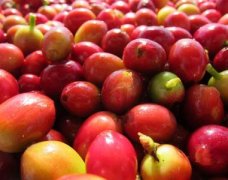
Located in the most advantaged natural conditions, Ethiopia produces unique high-quality coffee every year. Ethiopia's coffee growing cycle brings the joy of harvest to the country every year. Beautiful white coffee flowers will bloom and bear fruit every year from March to April. Only the reddest and ripe fruits will be selected between September and December.

A brief introduction to the unique Market Price of Fine Coffee Bean varieties in Ethiopian Coffee Manor
Grade of Ethiopian coffee: Ethiopian washed coffee Yega Chuefei G1 G2 Sidamo (Yirgacheffe, Sidamo) has the highest grades 2 and 3 (G2, G3), while sun-processed coffee in eastern Ethiopia is mostly grade 4 or 5 (G4, G5). In many cases, level 4 coffee is marked as level 5 in order to reduce taxes. At present, the classification is not uniform and there are

A brief introduction to the Market Price of Fine Coffee Bean varieties in the aromatic Ethiopian Coffee Manor
In many cases, level 4 coffee is marked as level 5 in order to reduce taxes. The current classification is not uniform and messy, because there are also first-and second-tier (Grand G2) Yirga Cheffe processed by tanning, but the highest level of Harald (Harar) is level four (G4). The coffee-producing areas of Ethiopia are Sidamo, Harald and Yegashafi (

Pure taste of Banci Maggie coffee varieties planted market price profile
Gesha Estate is different from Geisha in Panama, but it is still worth tasting. It is rare in Ethiopia's sun-baked beans region. The variety of spices and fruits is Bench Maji, located in southwest Ethiopia, not far from neighboring Sudan. It is easy to find with Google map. Banqi Maji Gesh

A brief introduction to the planting Market Price of Fine Coffee Bean varieties in Shaqisuo producing area
Harald Coffee this coffee grows in areas ranging from 900m in the Darolebu plain to 2700 m in the highland mountain range of Chercher in eastern Ethiopia. These mountains do provide unique characteristics for these perennial coffee beans: the fruit is full and long, moderately acidic, and the typical mocha is refreshing.

Chocolate aftertaste of Ted manor fine coffee beans varieties planting market price profile
Coffee farming villages produce about 35 percent of the country's coffee. These coffee farms, which use a multi-tiered coffee growing system, are carefully cared for. Coffee farmers do not use chemical fertilizers, but use fallen leaves, plant and animal debris to increase soil nutrients. In addition to coffee, farmers also frequently grow non-coffee crops. Even the national coffee total

A brief introduction to the Market Price of Fine Coffee Bean varieties in Lemon and Citrus-flavored Shaquiso producing area
In the West, Ethiopian coffee is generally sold on the market as Yega Feixidamo and Harald (Yirgacheffee, Sidamo and Harrar). In the field of boutique coffee, there are also five other small places of coffee, namely Lim, Gemma, Le Campdi, Becca and Limmu, Djimmah, Lekempti, Bebeka and Wolega. What you see most often is

The Ethiopian Coffee Guide gives you a 5-minute understanding of the origin of coffee
Ethiopia is recognized as the birthplace of coffee and is highly respected in the specialty coffee industry. Coffee beans from this country are the staple food on the menu of coffee shops around the world. But why is Ethiopian coffee so well received? How much do you really know about this origin? Coffee production areas in Ethiopia vary widely from region to region, micro-region and even from farm to farm.

A brief introduction to the Market Price of unique and mellow Fine Coffee Bean varieties in Ted Manor
The most direct grasp of coffee flavor) to ensure the quality of each batch. Before the harvest season, Trabocca invites selected smallholder organizations / producers to participate in the production of micro-batches of coffee (about 1500 to 3000 kg), carefully picking 100% ripe red coffee cherries by hand (hence the Red Cherry Project). Trabocca provides financial loan support and new hardware.

Coffee producing area-Ethiopia (Ethiopia)
The birthplace of coffee-Ethiopia

A brief introduction to the Market Price of Fine Coffee Bean varieties in Ted Manor with exquisite Flowers and plants
Ethiopian coffee beans grow in close to the natural environment, after years of planting under the same growth conditions, Ethiopian coffee beans have gradually adapted to the environment here. More than 60% of coffee beans are grown in forests or semi-forests. Large-scale coffee-growing villages account for about 35% of the country's total coffee production. Many of these are used.
World Coffee boutique Manor: Ethiopia Ethiopia (Ethiopia)
The birthplace of coffee-Ethiopia. The coffee tree originated in Ethiopia, which was originally a wild plant here, and the name coffee comes from the Ethiopian town of Kaffa. In fact, many coffee trees in Ethiopia are still wild plants, and the coffee grown on this coffee tree is full-grained and slightly alcoholic. Humans may have been around as early as the 9th century